7 Plumbing Problems Every Ulladulla Homeowner Faces (And How to Fix Them)
We take pride in our attention to detail and commitment to customer satisfaction. Whether you require regular maintenance.

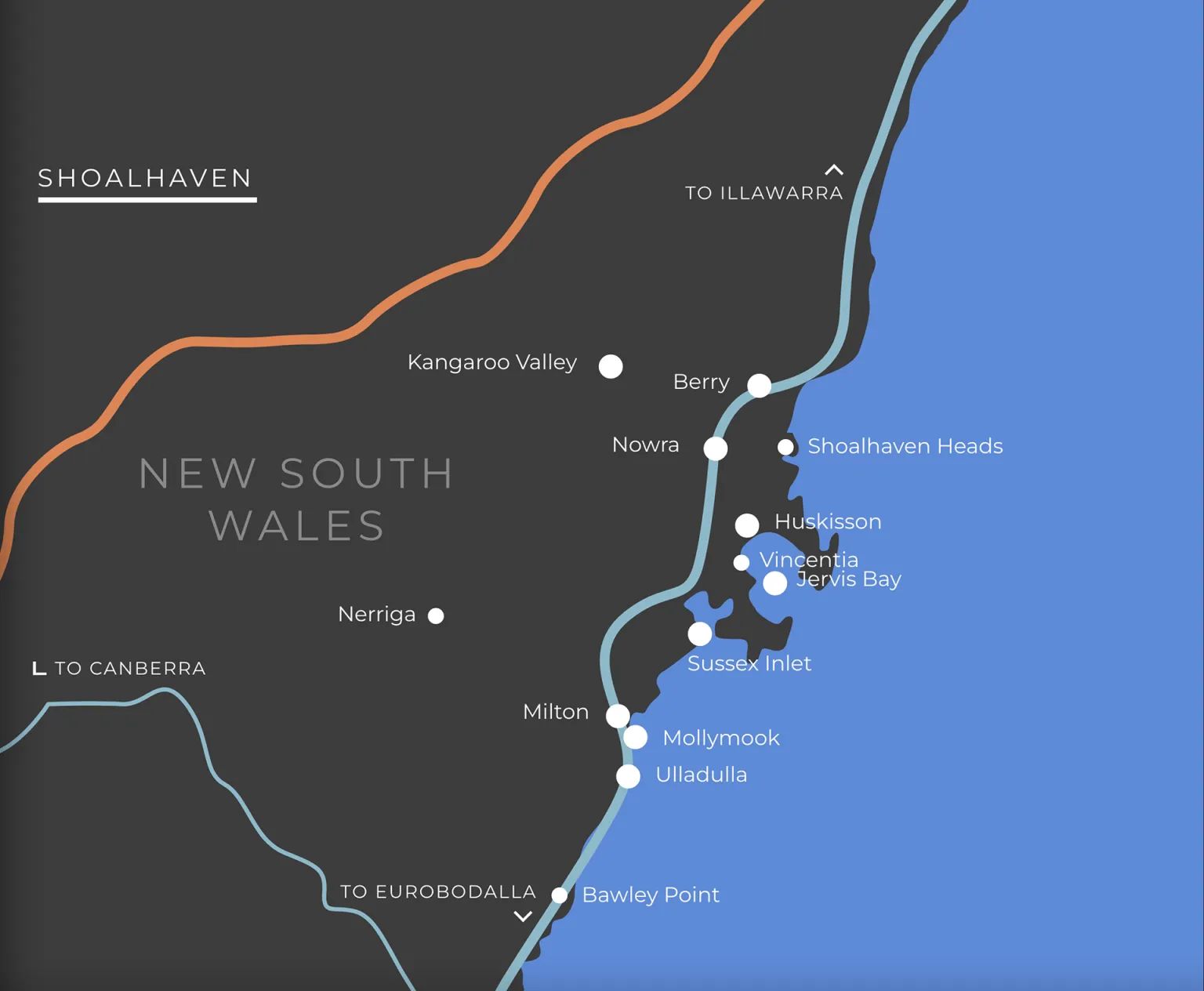
Ulladulla sits right on the NSW South Coast, roughly 230 kilometres south of Sydney along the Princes Highway. It's a beautiful part of Australia — turquoise water, towering spotted gums, and a coastline that draws people from all over the state.
But here's what most people don't think about when they're admiring the view from Mollymook Beach: the same salt air, heavy rainfall, and mature tree canopies that make this area so stunning are also the leading causes of plumbing failures in local homes.
Whether you're in a weatherboard cottage in Milton, a newer build in Narrawallee, or running a holiday rental in Burrill Lake, your plumbing system is quietly battling conditions that inland properties simply don't face. And ignoring those conditions is how small drips become big bills.
We've pulled together the seven most common issues we see across Ulladulla and the surrounding suburbs — and, more importantly, what you can actually do about each one before it becomes an emergency.
1. Tree Root Invasion in Drain Pipes
If there's one issue that keeps Ulladulla plumbers busy year-round, it's tree roots breaking into underground drainage pipes. The South Coast is full of established eucalyptus, fig trees, and native species with aggressive root systems. These roots are naturally drawn towards moisture, and your sewer and stormwater pipes are an irresistible target.
Older homes in suburbs like Milton and Kings Point are particularly vulnerable because many still have original clay or early PVC pipework. Over time, even tiny joints or hairline cracks in these pipes release moisture vapour into the surrounding soil, and tree roots follow that moisture straight inside. Once in, they grow rapidly, catching debris and creating full blockages that can back sewage up into your home.
TRU Tip: If your drains are slow to empty or you hear gurgling sounds when flushing, tree roots may already be inside your pipes. A CCTV drain inspection can confirm the problem and its exact location — without digging anything up. Ask us about pipe relining as a no-dig repair option.
What you can do: Be mindful of where you plant trees relative to drainage lines. If you're buying an older property, request a drain camera inspection during your building and pest stage. And if you notice recurring slow drains, don't just keep pouring chemicals down the sink — they rarely reach root intrusions. Call a licensed plumber for a proper assessment.
2. Corroding Pipes and Fittings From Salt Air
This one catches a lot of people off guard. You might expect coastal corrosion on your car or gutters, but it affects your plumbing too. Salt-laden air accelerates the deterioration of exposed copper fittings, galvanised steel pipes, and metal components on hot water systems. Homes closer to the ocean — think Mollymook Beach, Dolphin Point, and the Ulladulla Harbour area — experience this faster than properties further inland.
The result? Pinhole leaks that develop quietly behind walls, corroded valves that fail when you need them most, and hot water tanks that rust out years before their expected lifespan. We've seen hot water systems in coastal Ulladulla homes fail after just seven or eight years when they should last twelve or more.
Galvanised steel pipes were common in Australian homes built before the 1980s. If your Ulladulla home still has them, the interior walls of those pipes may already be heavily corroded — causing discoloured water and reduced water pressure.
What you can do: Schedule a plumbing inspection that includes checking exposed pipe fittings and your hot water system's sacrificial anode (the component designed to corrode instead of your tank). Replacing an anode every few years is far cheaper than replacing the entire system.
3. Blocked Drains From Sand and Sediment
Living near the coast means sand finds its way into everything — including your plumbing. Sand and fine sediment entering stormwater drains is a common problem across Ulladulla, Lake Conjola, and Manyana. It's especially prevalent in properties with outdoor showers, ground-level laundries, or yards that drain towards the house rather than away from it.
Sand settles in pipe bends and low points, gradually reducing flow until you've got standing water in your shower or a garden that floods every time it rains. Combine that with the organic matter from nearby bushland — leaves, bark, soil — and you've got a recipe for blockages that simple plunging won't fix.
What you can do: Install sediment traps on outdoor drains. Clear leaf litter from stormwater grates regularly, especially before the wetter months from late autumn through spring. If your yard slopes towards your house, talk to us about regrading options or additional drainage points to redirect water away from your foundation.
4. Hot Water System Failures
Hot water issues are one of the most common calls we take from Ulladulla homeowners — and the timing always seems terrible. Nobody discovers their hot water is out on a warm summer afternoon. It's always mid-winter, first thing in the morning, when you're about to step into the shower.
On the South Coast, hot water systems face a double challenge. The coastal conditions we've already mentioned accelerate tank and component corrosion. But Ulladulla's climate also plays a role: hot, dry summers can cause thermal expansion stress on tanks and pipework, while cold winter mornings put extra demand on heating elements and gas burners. Systems that aren't regularly maintained simply don't last.
Electric, gas, solar, and heat pump systems each have their own failure points. The one thing they all have in common is that annual servicing dramatically extends their lifespan and catches small problems before they leave you with no hot water — or worse, a flooded laundry.
TRU Tip: If your hot water is coming out discoloured, your system is making rumbling or popping noises, or you notice water pooling around the base of your tank, don't wait. These are warning signs that failure is close. Call for a same-day assessment.
5. Stormwater Drainage Overwhelmed by Heavy Rain
The NSW South Coast is no stranger to heavy rainfall events. When those East Coast Lows roll through or a summer storm dumps 50mm in an hour, stormwater systems across Ulladulla, Burrill Lake, and Sussex Inlet are put under enormous pressure.
The problem isn't always the volume of rain. It's that gutters, downpipes, and stormwater drains have often been gradually filling with leaf litter, sand, and organic debris for months. When the big rain hits, there's nowhere for the water to go — and it finds its way into garages, under houses, and through any gap it can find.
Older properties are especially at risk. Many homes in established Ulladulla suburbs have ageing terracotta or concrete stormwater pipes that have cracked, shifted, or partially collapsed over decades. These damaged pipes can't handle heavy flow, and repairs are only going to get more expensive the longer they're left.
What you can do: Clear your gutters and downpipes at least twice a year — once before winter and once before storm season. Check that your stormwater drains flow freely by running a hose into each grate. If water backs up or drains slowly, it's worth getting a camera inspection to see what's going on below ground.
6. Leaking Taps and Running Toilets
These might seem minor compared to burst pipes and blocked sewers, but leaking taps and running toilets are the plumbing problems that quietly cost Ulladulla homeowners the most money over time. A single dripping tap can waste over 20,000 litres of water per year. A running toilet can waste even more — and unlike a drip you can hear, a slowly running cistern often goes unnoticed for months.
In holiday rental properties around Mollymook and Narrawallee, this problem is magnified. Guests don't report minor leaks, taps get used more frequently, and by the time the owner visits the property, what started as a worn washer has become a damaged tap seat or a corroded valve that costs significantly more to repair.
What you can do: Check your water meter before bed and again in the morning before using any water. If the reading has changed, you have a leak somewhere. For rental properties, include a simple plumbing check in your changeover routine and schedule a licensed plumber visit at least once a year.
7. Gas Fitting Issues and Compliance
Many Ulladulla homes use gas for hot water, cooking, and heating. LPG is particularly common in areas without natural gas mains. Gas systems are generally reliable, but they require professional installation and regular checks to remain safe and compliant. Incorrectly installed gas appliances, damaged gas lines, and faulty regulators are serious safety hazards — and they're more common than most people realise.
We also see compliance issues when homeowners have had unlicensed work done on gas appliances or when older fittings haven't been upgraded to meet current Australian standards. If you're buying a property in the Ulladulla area, it's worth having the gas system inspected separately from the standard building inspection.
Important: Gas fitting work must only be carried out by a licensed gas fitter in NSW. This isn't optional — it's a legal requirement under the Gas and Electricity (Consumer Safety) Act. If you can smell gas, turn off the supply at the meter, open doors and windows, avoid any naked flames or electrical switches, and call a licensed gas plumber immediately.
Prevention Beats Emergency Every Time
Most of the expensive plumbing emergencies we attend across Ulladulla and the South Coast could have been avoided — or at least significantly reduced — with a bit of preventive attention. The homes that have the fewest problems are the ones where the owners schedule a regular plumbing health check, stay on top of gutter and drain maintenance, and call at the first sign of something unusual rather than waiting until water is coming through the ceiling.
Living on the South Coast means your plumbing works harder than average. The salt air, the heavy rains, the mature trees, the sandy soil — they're all constantly testing your system. The good news is that a local plumber who understands these conditions can help you stay ahead of them.
Need a Plumber in Ulladulla?
Whether it's a blocked drain, hot water trouble, or you just want a professional set of eyes on your system — TRU Plumbing is here for Ulladulla and the entire South Coast.
Call TRU Plumbing today — Licensed & insured · Upfront pricing · 24/7 emergency service
Frequently Asked Questions
What causes blocked drains in Ulladulla? The most common causes are tree root intrusion into older clay and PVC pipes, sand and sediment from the coastal environment, and build-up of grease, hair, and soap scum in household drains. Holiday rental properties also experience higher blockage rates due to heavier usage during peak season.
How often should I service my hot water system? We recommend a professional inspection every 12 months. Coastal conditions like salt air accelerate corrosion on tanks and valves, so annual servicing helps catch problems early. Flushing your tank to remove sediment build-up is also important for both performance and longevity.
Do I need an emergency plumber for a burst pipe? Yes. A burst pipe can cause significant water damage within minutes. Turn off your main water supply at the meter immediately, then call an emergency plumber. TRU Plumbing provides 24/7 emergency plumbing services across Ulladulla, Milton, Mollymook, and surrounding South Coast suburbs.
What suburbs does TRU Plumbing service? We service Ulladulla and the wider South Coast region including Milton, Mollymook, Narrawallee, Burrill Lake, Kings Point, Dolphin Point, Lake Conjola, Manyana, Sussex Inlet, and surrounding areas.
How do I know if my plumber is licensed in NSW? You can verify a plumber's licence through the NSW Fair Trading website. All plumbing and gas fitting work in NSW must be carried out by a licensed tradesperson. Always ask for a licence number before any work begins.